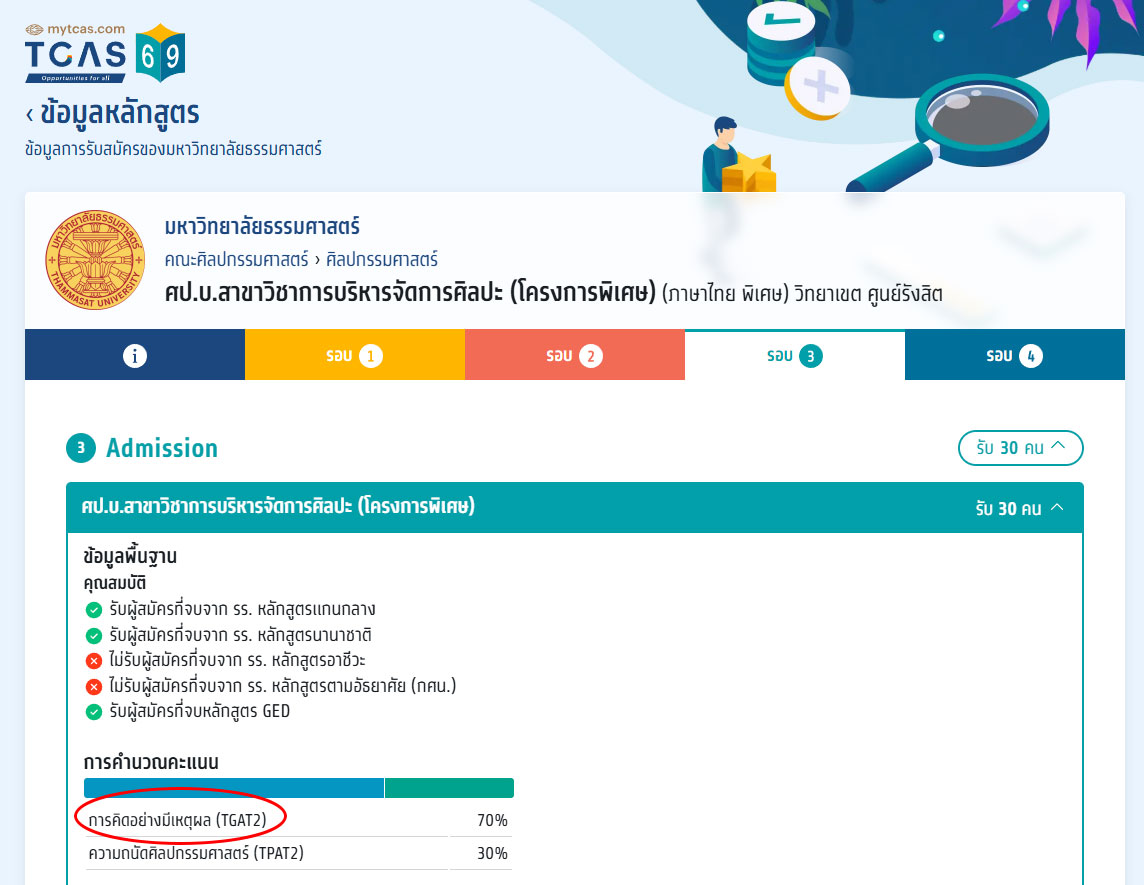
TGAT is a test that checks your general skills, not subject knowledge. Most students use it when applying to business, communication, psychology, and many social-science majors.
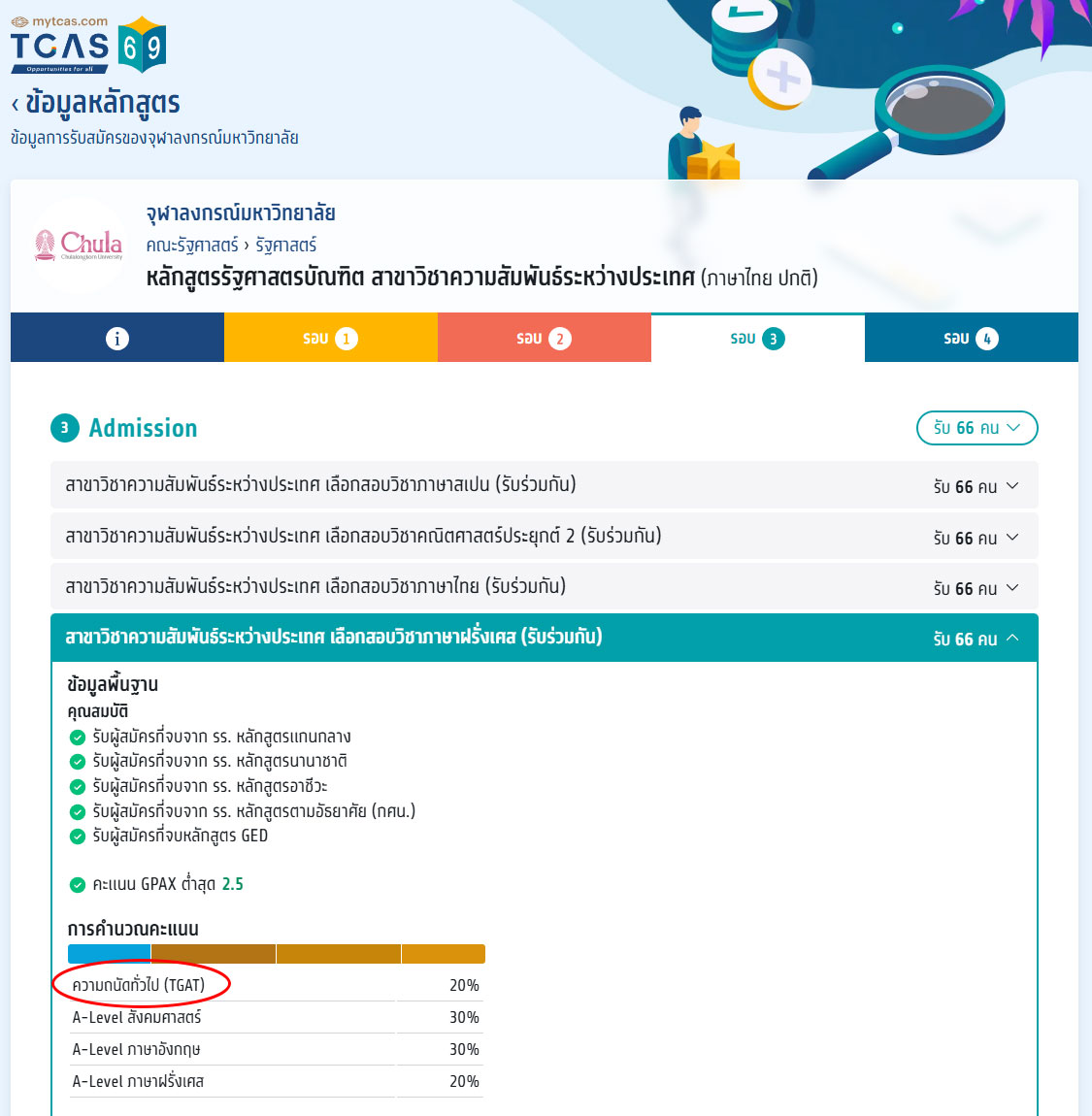
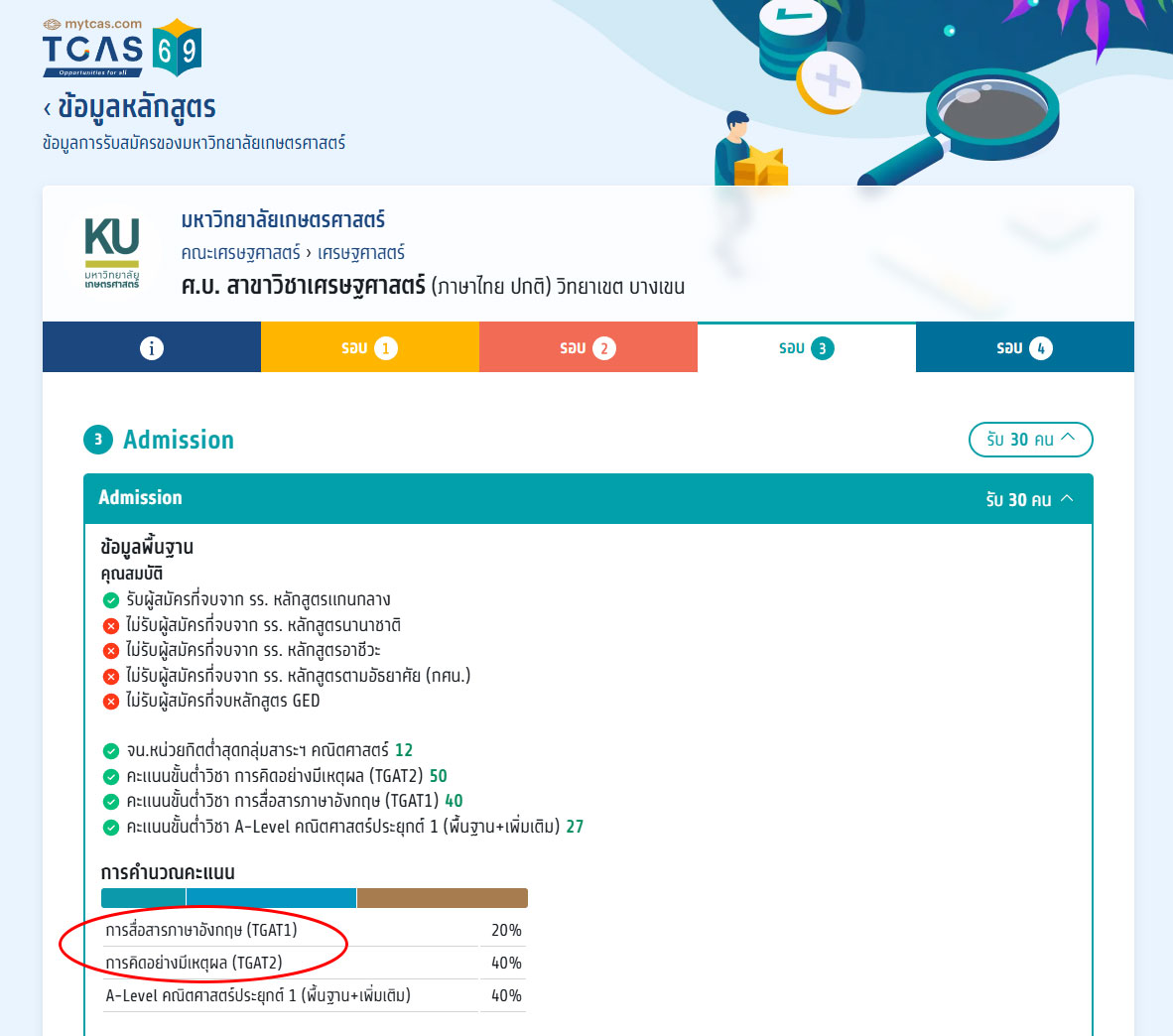
Many faculties use TGAT around 20–40% of the total score. For example: Business Administration might use TGAT 30%. Communication Arts might use TGAT 40%. Psychology might use TGAT 20–30%.
TGAT is divided into 3 parts: Problem Solving Communication Teamwork & Collaboration
EXAMPLE of Faculties Using TGAT
BOOK RANKING
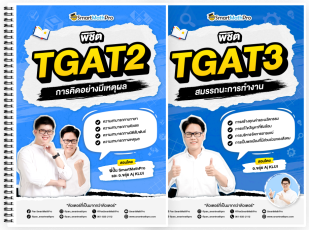
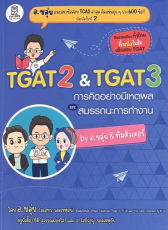
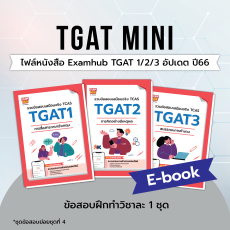
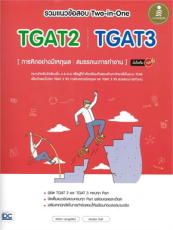
The TGAT 2–3 book by P’Pun SMP is really great. The explanations are super easy to understand, and it feels like he’s guiding you step by step.
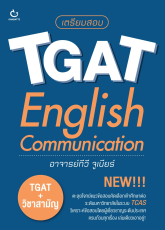
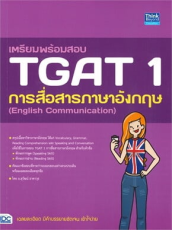
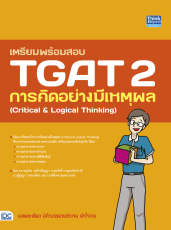
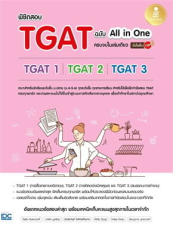
The TGAT 1 book by Ajarn Sukwat is quite accurate and helpful for understanding the real exam style. But the reading part is harder than the actual test, so it feels tougher than it should. Overall, still a good practice book.
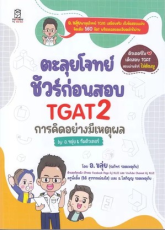
The TGAT practice book by P’Pun is honestly really good. The questions are well-designed and feel very close to the real exam, so you get used to the style fast. The explanations are clear and easy to follow.
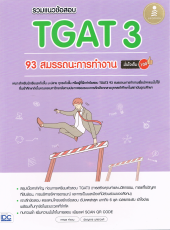
This book isn’t very close to the real exam. It has 6 full sets which is a lot and useful, but it gets boring. The questions are also shorter than the real test.
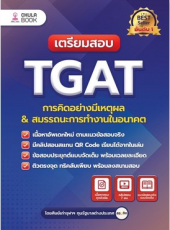
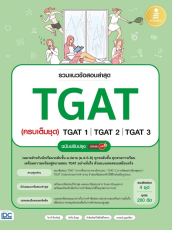
The content is quite accurate, but the book came out during the early exam years, so some parts are outdated. It focuses more on teaching, not on real-style questions. Good for beginners.
This version is a bit more accurate, but the Thai section is still off. Some pictures look distorted, which makes the overall experience not very good.
Not very accurate because it was released in the first exam era. Not recommended. It’s also discontinued, but some stores still sell it. Better buy another book.